The appeal of winter months camping is obvious: excellent landscapes and crisp air make it an unforgettable experience. However, staying warm can be a difficulty when the temperature levels drop.
The chilly swipes your warmth in 3 major ways: transmission, condensation, and convected heat loss. Combating these hazards needs a clever defense that consists of insulation and venting methods.
Build a Solid Thermal Barrier
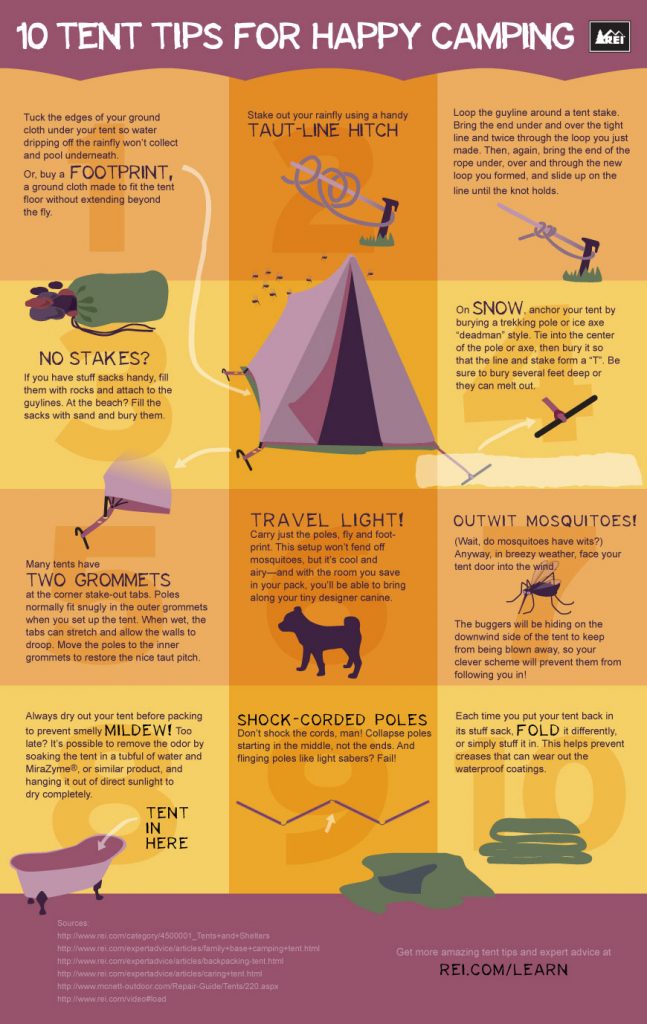
One of the most standard means to get cozier in an outdoor tents for wintertime outdoor camping is to layer the floors with foam and reflective obstacles. This simple do it yourself trick significantly minimizes warmth loss to the frozen ground and helps trap whatever body heat you create.
If you intend to take it to the next level, attempt making use of a commercial camping tent insulation package. These kits are developed to fit details tent designs and connect with straightforward toggles. They're a little much more costly than a do it yourself work, but the quality and comfort make them well worth the added expenditure.
A non-negotiable step in any protected camping tent is to position a ground tarpaulin beneath it. This shields the camping tent floor from rocks, sticks, and ground dampness, which allow sources of cold. It also minimizes convective warmth loss by blocking the wind from blowing snow or rain towards your outdoor tents. Do not neglect to leave an air gap-- that trapped air functions as a remarkably reliable insulator.
Line the Wall Surfaces and Ceiling
Along with insulating the flooring, including insulation to the wall surfaces and ceiling is essential to keeping warm on winter camping trips. This can be done by using blankets and protected resting bag linings. An additional option is to use closed-cell foam pads. These are a good choice because they absorb body heat and decrease condensation.
Condensation is your tent's sneaky saboteur, sucking heat out of your resting bag and right into the textile of the wall surfaces and rainfly. That moist air will soak up any insulation you have actually included, so it is necessary to consider that dampness an escape.
To do this, just crack a roof air vent and a tiny section of among the home windows on the downwind side of the camping tent awning to produce a natural smokeshaft impact. This enables the cozy, damp air to leave without creating a bone-chilling draft. This strategy considerably improves an outdoor tents's thermal performance and assists you stay comfy on winter months outdoor camping trips.
Aerate
The large difficulty when camping in the winter months is maintaining your body warm. A few straightforward, reliable tips can help make your outdoor tents comfy all evening long.
The very first layer is a ground tarp or footprint that guards your camping tent from snow and cold planet. It likewise helps protect against a typical source of heat loss called transmission, where heat is formulated with the floor and out of the camping tent.
The next layer is a closed-cell foam cushion or sleeping pad. These are very easy to load, lightweight, and give exceptional thermal insulation when you're in the outdoor tents. You can include an insulated resting bag or patchwork to the mix for much more warmth and convenience. For short bursts of added warmth, try a chemical warmth pack (offered they are secure and appropriately thrown away after use). They are cost-effective and can be extremely effective at including additional heat to your tent. They can be acquired at most outdoor stores.
Don't Ignore Wind and Condensation
While lining your camping tent is a huge action towards maintaining warm, it's not nearly enough to completely protect you from the cold. To absolutely take pleasure in winter months camping, you have to likewise take on the two greatest fun-killers: wind and condensation.
The first trouble is convective heat loss, which takes place when icy wind blows directly right into your tent. A properly bet rainfly is your best tool versus this. It produces a quiet space in between the fly and inner tent, a protecting buffer that minimizes biting winds.
The following problem is induction heat loss, which occurs when your body heat reflects off the inside of your tent. This is a large reason it is essential to use reflective insulation like Mylar emergency situation coverings or specialized camping tent quilts. They're feather-light, inexpensive, and extremely efficient at bouncing radiant heat back at your body. Make certain to leave a little gap in between the Mylar and camping tent material so you do not tear your rainfly.